


A selection of the top 4 books on finance
Financial literacy isn’t something you’re born with; the people around you who manage their personal finances so effectively have no doubt done just as you have – seeking out books and other resources to educate themselves.
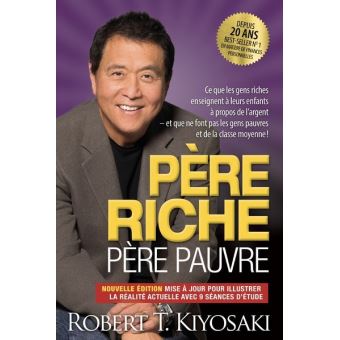
• "Rich Dad Poor Dad" by Robert Kiyosaki remains an essential classic in personal finance education.
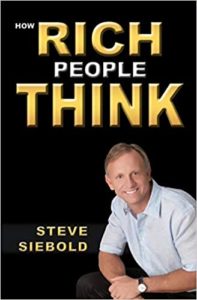
• "How Rich People Think" by Steve Siebold, the result of 26 years interviewing the world's wealthiest people, emphasises mindset over miracle methods.
• The article offers a selection of 4 books recommended by the b-sharpe team for improving budgeting, saving and investing.

If you’d like to learn how to manage your personal finances, we’ve put together a selection of 4 books that some members of the b-sharpe team have read and enjoyed!
These books cover topics such as budget management, saving and investing. Some will even make you more aware of how you spend, and give you tools to improve this aspect.
1- Rich Dad, Poor Dad by Robert T. Kiyosaki
Voted the No. 1 bestseller in personal finance, Kiyosaki’s book is a benchmark read that we recommend. The book introduces Robert Kiyosaki’s two fathers: his “real” father, who was poor, and his best friend’s father, who was rich. These two father figures gave him a very different education about money. Throughout the chapters, he shares what he has learned, which will help you both personally and professionally. The advice and examples given in the book are concrete, and you’ll find it easy to relate to them, which is a major strength of this work. By the end of the book, you’ll know what you need to teach your children about the basics of money and finance to guide them towards financial success.
2- How Rich People Think, Steve Siebold
To write this book, Steve Siebold spent 26 years interviewing the richest people on earth. When it comes to managing your personal finances, there’s no instruction manual, no miracle method — it’s all a question of mindset. That’s what Steve discovered over the course of these interviews. Throughout the 100 chapters, a comparison is drawn between the relationship the middle class has with money and the outlook held by the wealthy. “While the masses wait to pick the right lottery numbers and pray to prosper, the wealthy solve problems.” You’ll find plenty of food for thought on your own approach to money.
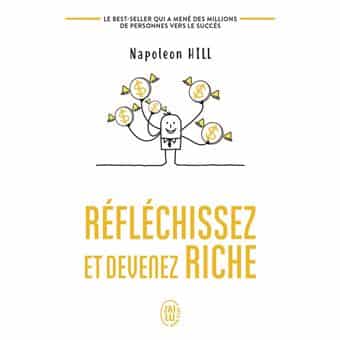
3- Think and Grow Rich, Napoleon Hill
Written in 1937, Think and Grow Rich is a must-have in this category! After several years of research and study among wealthy and talented people, Napoleon Hill transcribed all his discoveries into this book. You won’t learn a method or a miracle solution, but your view of money and success will be challenged. With the help of 13 universal principles — desire, faith, imagination and decision, to name but a few — you’ll be guided through your personal development. This will ultimately allow you to reach your dreams and goals, both financial and in every other area of your life. Hill also draws on scientific studies that help explain these 13 principles. Let yourself be guided towards success and wealth.
4- The Richest Man in Babylon, George Samuel Clason
Babylon, the cradle of finance — this is the setting George Samuel Clason chose for his book. Through several stories, the author shares advice and methods to help you invest not out of impulse, but to make your money grow. Don’t waste, set money aside, pay off your debts, put your money to work — all to ensure financial security both now and in the long term. The setting of the ancient city of Babylon makes these stories a pleasure to read; as well as benefiting from George Samuel Clason’s lessons, you’ll be transported to another world as you follow the adventures of two friends, Bansir and Kobbi, and their spiritual master Arkad.

What all these books have in common is that none of them will give you a magic solution for getting out of debt, investing, or growing your money. In fact, it’s all a question of mindset and the relationship you have with money. These books will help you become aware of your outlook on money and how to improve it in order to grow your wealth. It’s not just about educating yourself on personal finance — above all, it’s a matter of personal development that you’ll need to put into practice.